
Arthritis is one of the most common parts of a dog growing old — and one of the most manageable. Small changes at home often bring real comfort. This page gathers my gentlest, most useful guidance in one place.
Where to start
Joint pain creeps in slowly, so it’s easy to mistake for “just getting old.” But stiffness isn’t something your dog has to simply live with. Between a good conversation with your vet, a few thoughtful changes at home, and the right bed and traction, most senior dogs can move more easily and rest more deeply.
The goal isn’t to turn back the clock. It’s to make today comfortable — and tomorrow a little easier.
Signs to watch for
You know your dog better than anyone. These are the quiet changes owners most often notice:
- Stiffness or a slow “warm-up” after lying down, especially in the morning
- Hesitating at stairs, jumps, or slick floors they used to take in stride
- Shorter walks, lagging behind, or sitting down partway
- Licking a joint, or a subtle shift in how they hold a leg
- More naps, less play, a little grumpiness when touched
None of these are a diagnosis — they’re a reason to check in with your vet, who can confirm what’s going on and rule out anything else.
Guides in this hub
Each of these is written from life with my own senior dog, Chief.
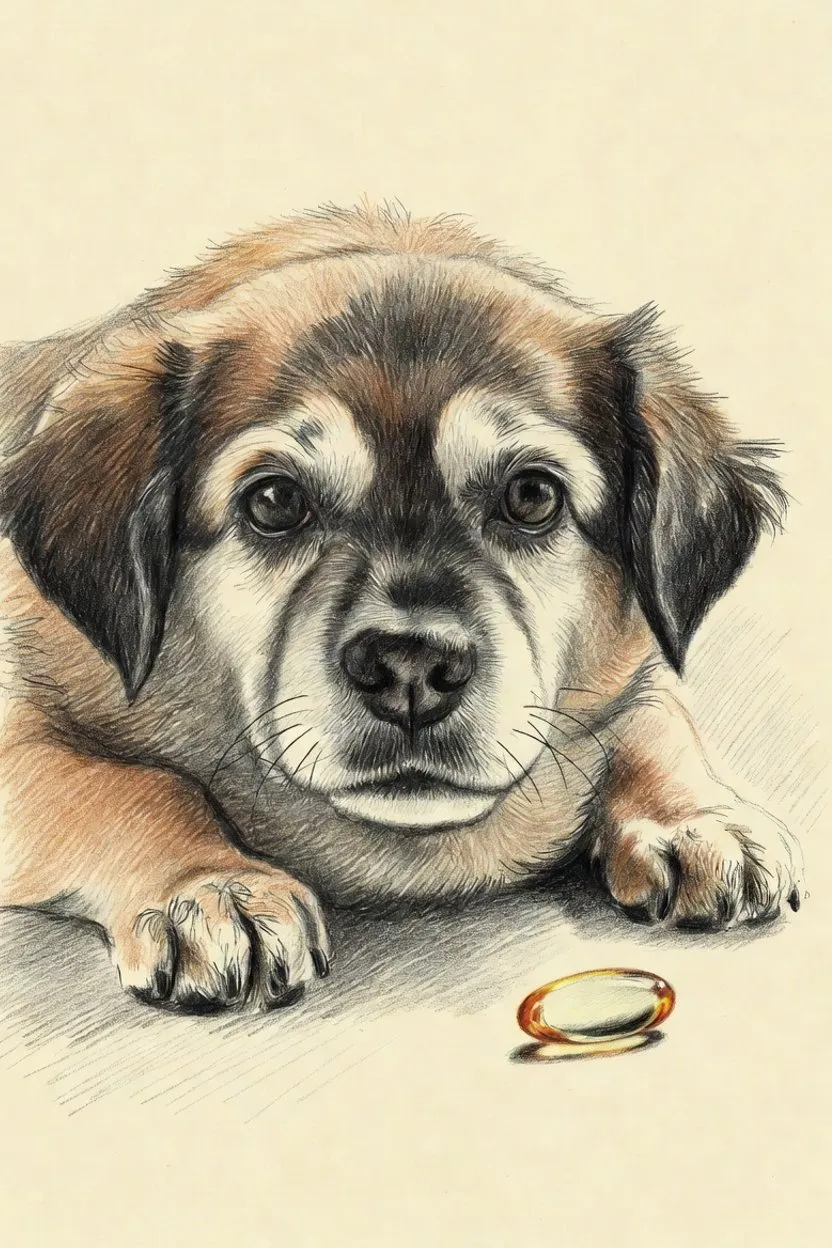 Guide
Guide Fish oil for senior dogs: the joint supplement with real evidence behind it
Omega-3 fish oil is one of the few joint supplements with genuine research behind it for older dogs — but the details matter. Here's what the evidence says, how it's dosed, and what to check before you buy, always with your vet.
 Guide
Guide Is pet insurance worth it for an older dog? The real answer — and why I haven't bought it for Chief
A straight look at pet insurance for senior dogs: what it won't cover, what it still can, and a simple way to decide — from someone weighing the same question for his own 13-year-old.
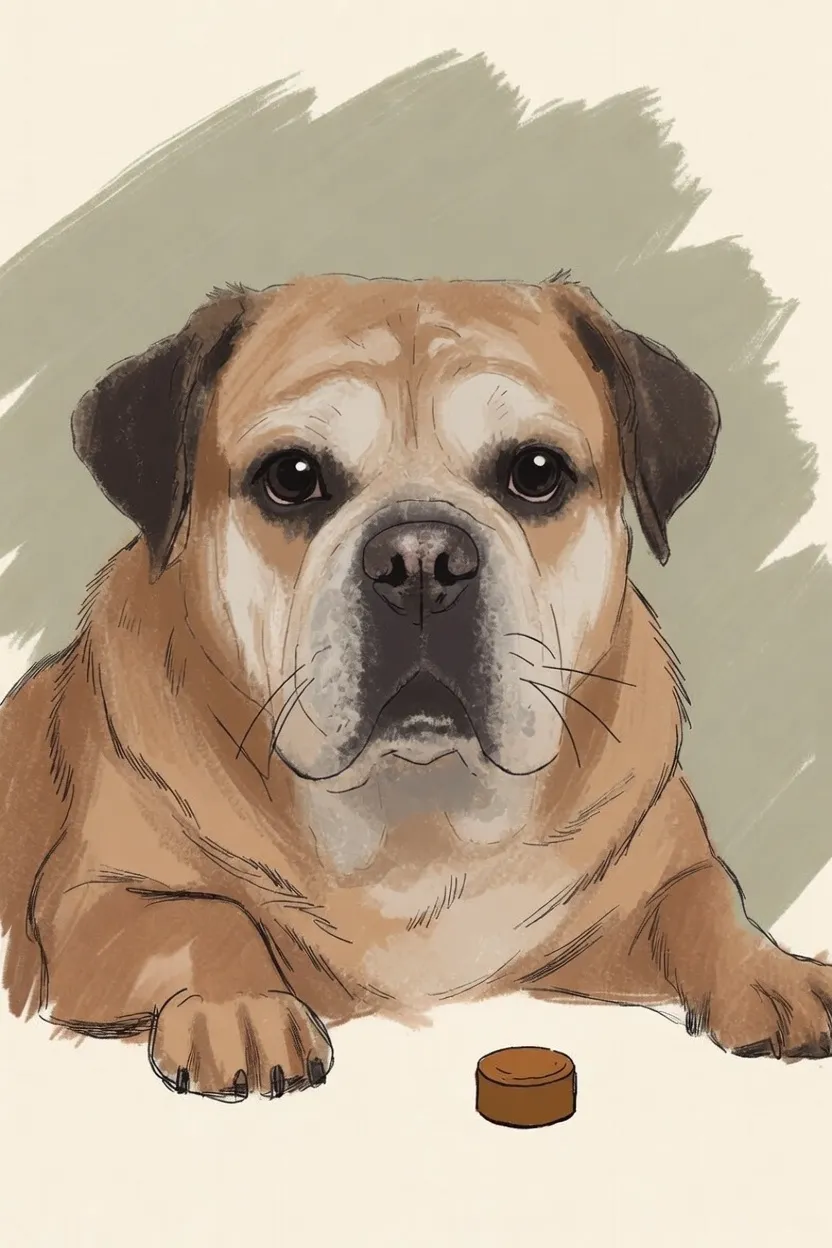 Guide
Guide Glucosamine for senior dogs: the real answer, and what giving it to my dog was actually like
A straight look at glucosamine joint chews for older dogs — what the research actually says (it's more mixed than the labels suggest), plus my real experience giving them to my 13-year-old.
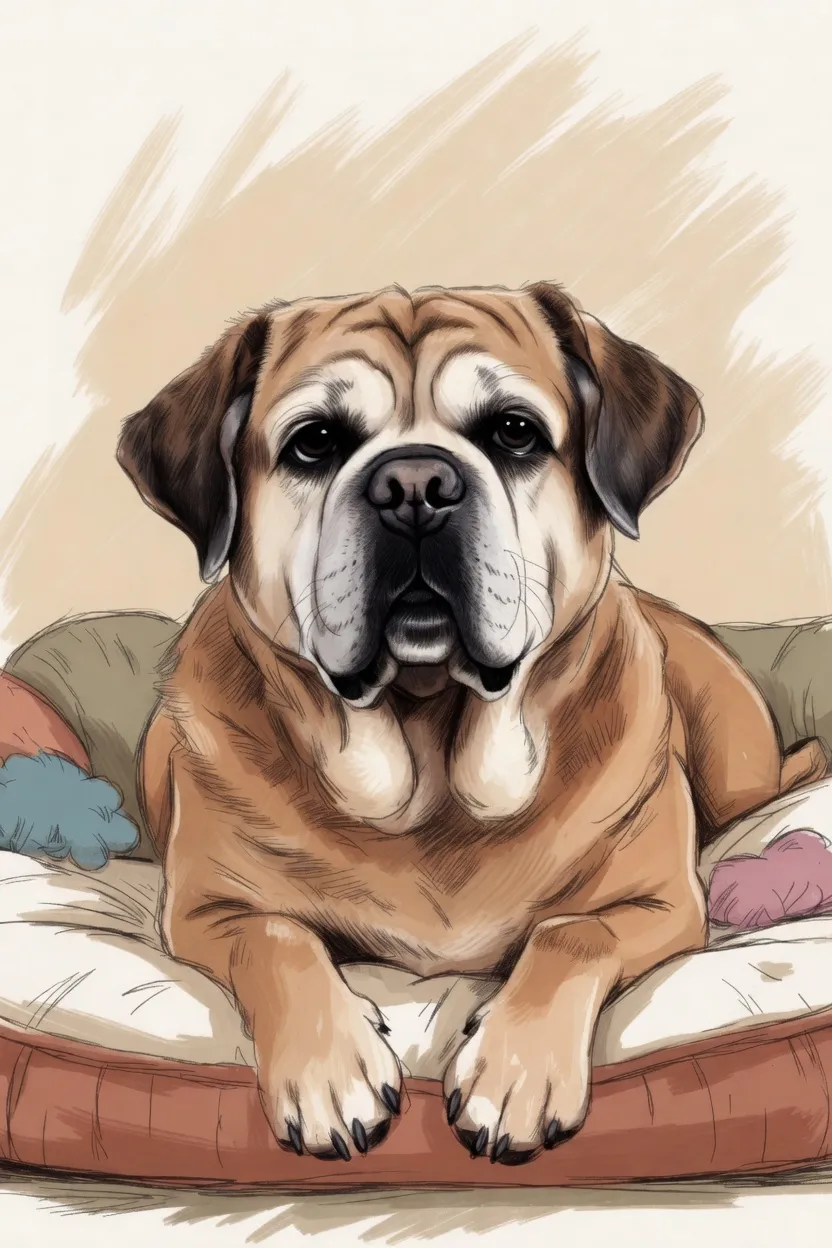 Guide
Guide Best orthopedic dog beds for senior dogs: what actually matters for achy joints
A straight guide to choosing a supportive bed for an aging dog — what to look for, what I've learned owning beds for my own senior dog, and why he sometimes picks the floor anyway.
When vet bills start to climb
Joint care can mean more vet visits, imaging, or medication over time. Many owners wish they’d looked into insurance before the bills arrived.
Vet bills climb fast as dogs age
Accident & illness coverage that still enrolls older dogs, with a diminishing deductible.
I may earn a commission if you get a quote — it never costs you extra.Common questions
Almost never. Comfort measures — a supportive bed, traction on floors, gentle movement, and your vet's guidance — can help dogs at nearly any age feel better. It's about easing the day, not curing age.
Yes. A quick exam confirms what's going on and rules out other causes. Anything you read here is meant to support that conversation, not replace it.
Results vary by dog, and I'm careful never to promise miracles. I share what helped my own dog and what didn't — and I always suggest checking with your vet first.
For most owners, it's traction on slippery floors plus a genuinely supportive bed. Both are inexpensive and make daily life noticeably easier.