Support harnesses and lifting slings for senior dogs: helping them up without hurting either of you
A good lifting harness can save your dog's dignity and your back. But 'suddenly can't get up' is also a vet flag — so here's how to help safely, and when to make the call first.
On this page
There’s a particular moment a lot of us with old dogs know: your dog wants to get up, tries, and can’t quite make it — and you’re not sure whether to help, or how, without making things worse. A support harness or sling is the tool for exactly that moment. But like everything on this site, it works best when it sits inside a plan, not instead of one.
First, the honest flag
Before the gear, the important thing: why is your dog struggling to get up? If it’s the gradual stiffness of aging joints your vet already knows about, a harness is a sensible way to help. But if the weakness is sudden, or you’re seeing dragging paws, knuckling over, or a dog who genuinely can’t stand, that’s a reason to call the vet promptly — those can signal neurological or orthopedic problems that need diagnosis, not just a support strap.
A harness helps you assist a dog whose situation has been assessed. It doesn’t answer the question of what changed. So if something shifted quickly, make that call first.
Why mobility help matters so much in old age
Struggling to get around is one of the most common senior-dog stories, and joint disease is a big part of why. In Purina’s lifelong study of Labradors, 83% of the heavier-fed group had radiographic signs of hip arthritis by the end of the study — a reminder of how routinely aging and joint wear go together. Helping a stiff dog move safely isn’t coddling; it’s keeping them mobile, confident, and less likely to fall.
The types, in plain terms
- Simple lifting slings. A padded band you slip under the belly or hindquarters to steady and lift for a few steps. Cheap, minimal, good for occasional help — like the odd set of stairs or a lift into the car.
- Rear-support harnesses. Focus on the back end, where a lot of senior weakness shows up first — useful if the front legs are still strong.
- Front or full-body harnesses. Spread the load with handles over the shoulders and hips, better for regular help or dogs weak in more than one area.
Which is right depends on where your dog is weak — a question your vet, or ideally a rehabilitation vet, can help you answer so you’re not guessing.
Support harnesses & lifting slings
A placeholder for senior-dog support harnesses and slings. This is a disclosed affiliate link — the program isn't wired up yet, so it isn't live. Have your vet confirm the type that fits your dog before buying.
This is an affiliate link: if a program is approved and you buy through it, we may earn a small commission at no extra cost to you. It never changes our honest take — and it's no substitute for veterinary guidance.Using one kindly and safely
- Support, don’t hoist. Help your dog do what they can rather than lifting them off the ground; keep the spine and legs in a natural line.
- Mind your own back. Bend at the knees — a harness with good handles is as much for your body as your dog’s.
- Let pain be information. If your dog hurts when supported, stop and check with your vet rather than pushing through.
- Fit matters. Too loose rubs and slips; too tight is uncomfortable. Follow the sizing and check the skin underneath.
Where this fits
A harness is one piece of keeping an aging dog mobile and comfortable. It pairs naturally with the other low-drama changes that help most: keeping your dog at a lean, joint-sparing weight, making the home easier to move around, and adding ramps or stairs for the couch, bed, or car. And if the mobility trouble is new, start with a read on the everyday signs of slowing down and a vet visit.
The goal isn’t to do everything for your dog — it’s to give just enough support that they can keep being themselves, safely, for as long as possible.
Not veterinary advice. A support harness is a comfort-and-safety aid, not a treatment — it doesn’t address the underlying cause of mobility loss. Sudden weakness or an inability to stand needs prompt veterinary attention. Source: Purina Institute, 14-Year Life Span Study in Dogs (Kealy et al., 2002).
Common questions
They overlap, but broadly: a simple sling is a padded band you slip under your dog's belly or hindquarters to lift and steady them for a few steps — cheap, simple, good for occasional help. A full support harness is worn (or quickly fitted) and often has handles over the shoulders and hips, spreading the load more evenly for regular help with standing, stairs, or the car. Front-, rear-, and full-body versions exist; which suits your dog depends on where they're weak, which is worth asking your vet or a rehab vet about.
A vet — promptly. A sudden loss of strength, dragging or knuckling of the paws, or an inability to stand can point to a neurological or orthopedic problem (like a spinal disc issue) that needs real diagnosis, not just a support strap. A harness helps you assist a dog whose weakness has been assessed; it isn't a substitute for finding out why the weakness appeared. When in doubt, call first.
No — and it's important to be clear about that. A harness is a mobility aid: it helps you support a dog safely so they can keep doing the things they can still do, with less strain and fewer falls. It doesn't treat arthritis or whatever underlying condition is making movement hard. Think of it as one comfort-and-safety tool within a plan your vet is guiding, alongside things like weight management and home changes.
Support, don't hoist. Lift gently and evenly, keep your dog's spine and legs in a natural position, and let them do what they can rather than dangling them. Bend at your knees to protect your own back. If your dog is in obvious pain when supported, stop and check with your vet — pain during assisted movement is information, not something to push through. A rehab vet can show you the right technique for your specific dog.
Adam
Writer and senior-dog owner
I'm not an expert — I'm an owner. Everything here comes from real life with my senior dog and careful research, written plainly and honestly.
Keep reading
 Guide
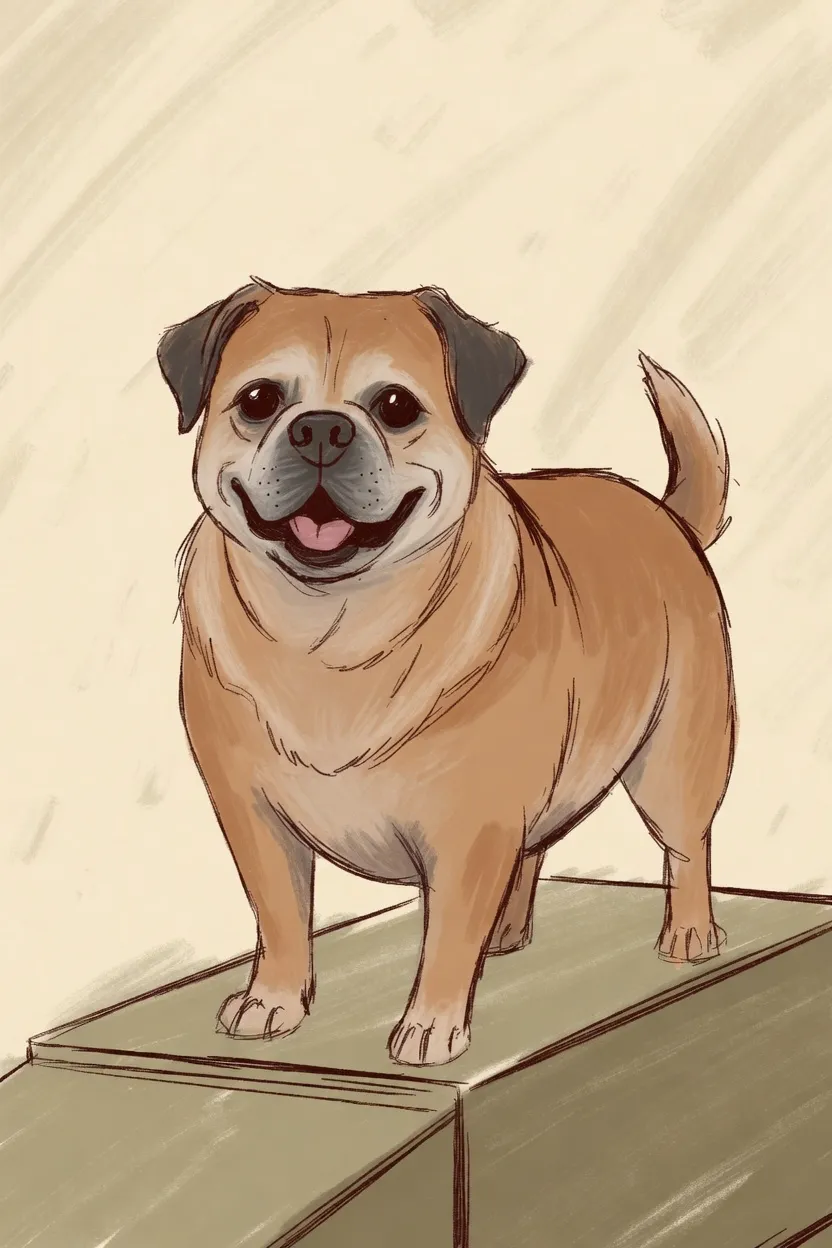
Guide Best dog ramps and stairs for senior dogs: help them get around again
A straight guide to choosing a ramp or steps for an aging dog — what actually matters, and what I'm weighing for my own 13-year-old, Chief.
 Guide
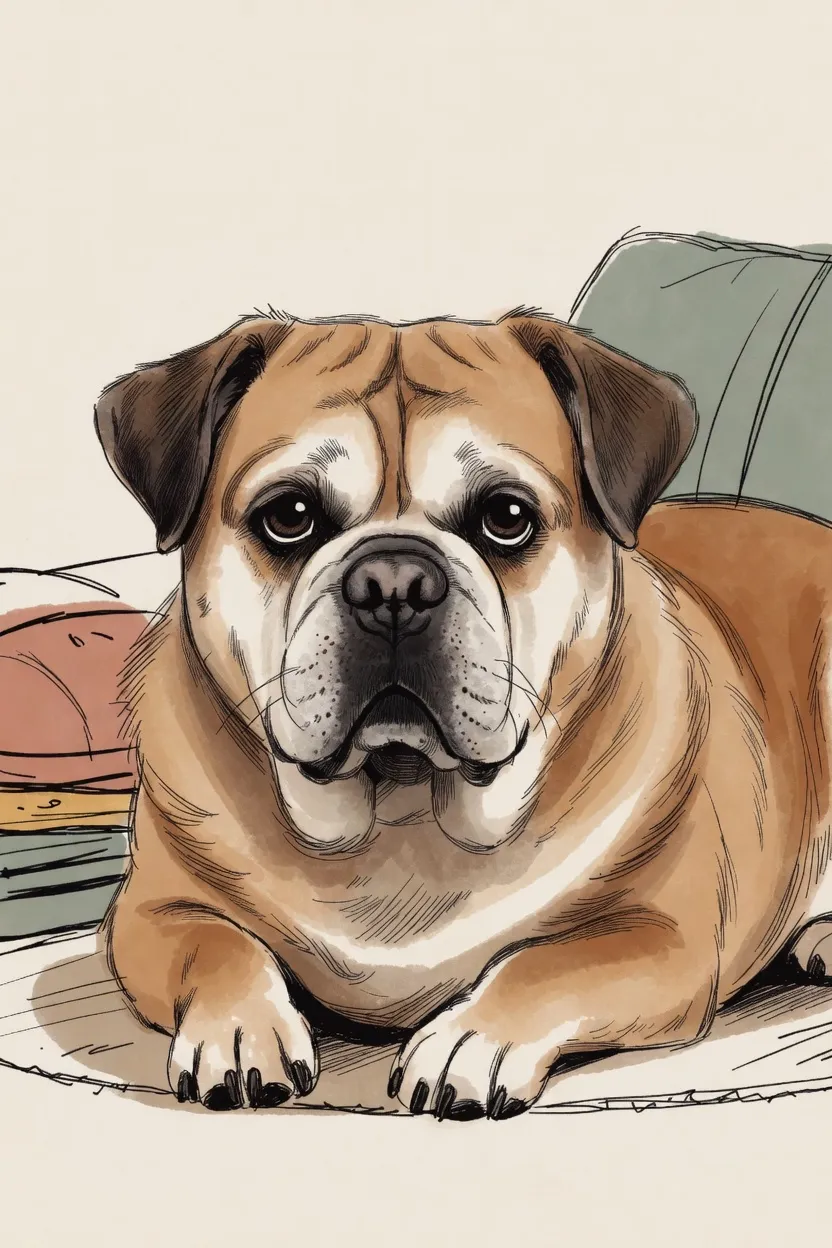
Guide How to make your home easier for a senior dog: a real setup
Practical, low-cost ways to make a home gentler on an aging dog — the changes I've actually made for my own 13-year-old, the ones I haven't needed yet, and the one worth asking your vet about first.
 Guide
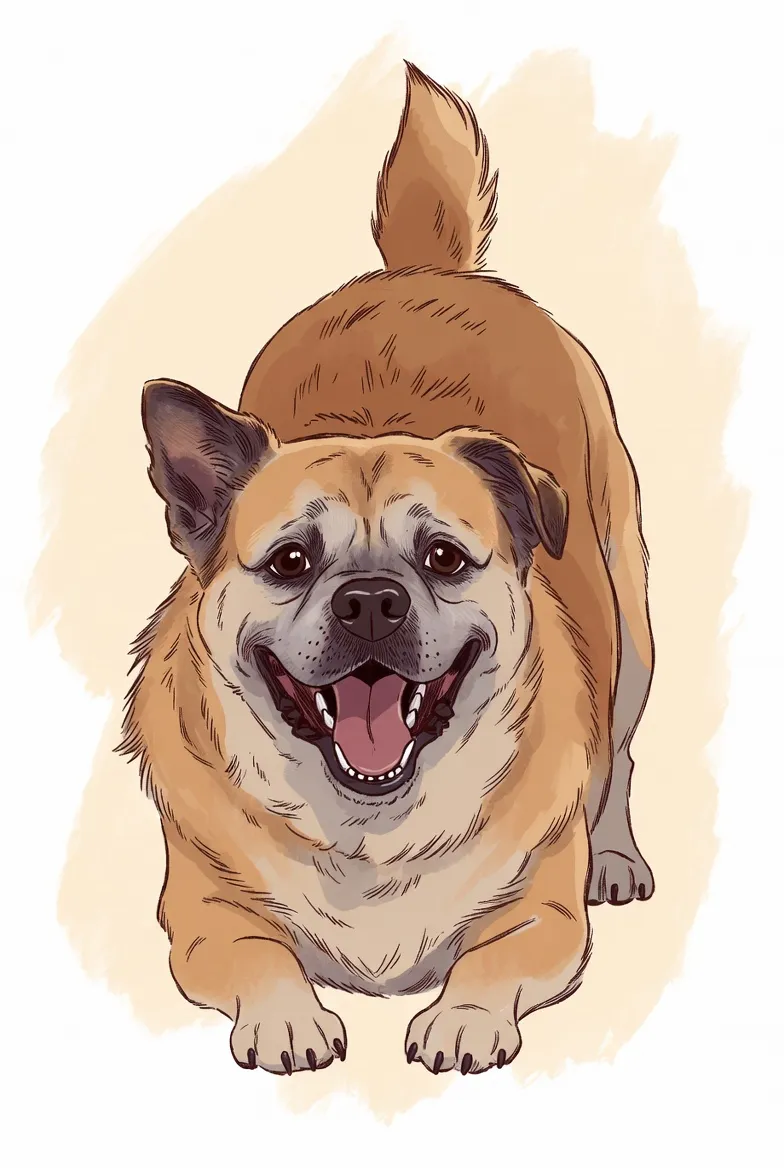
Guide Signs your senior dog is slowing down — and when it's worth a call to the vet
One owner's straight look at the everyday signs of a dog getting older — what I'm watching in my own 13-year-old, what's usually normal aging, and the changes that are worth a vet's eyes.