How to make your home easier for a senior dog: a real setup
Small changes around the house add up to a more comfortable old age. Here's the real setup I use for my senior dog — and clear guidance on the rest, including the one tweak that isn't right for every dog.
On this page
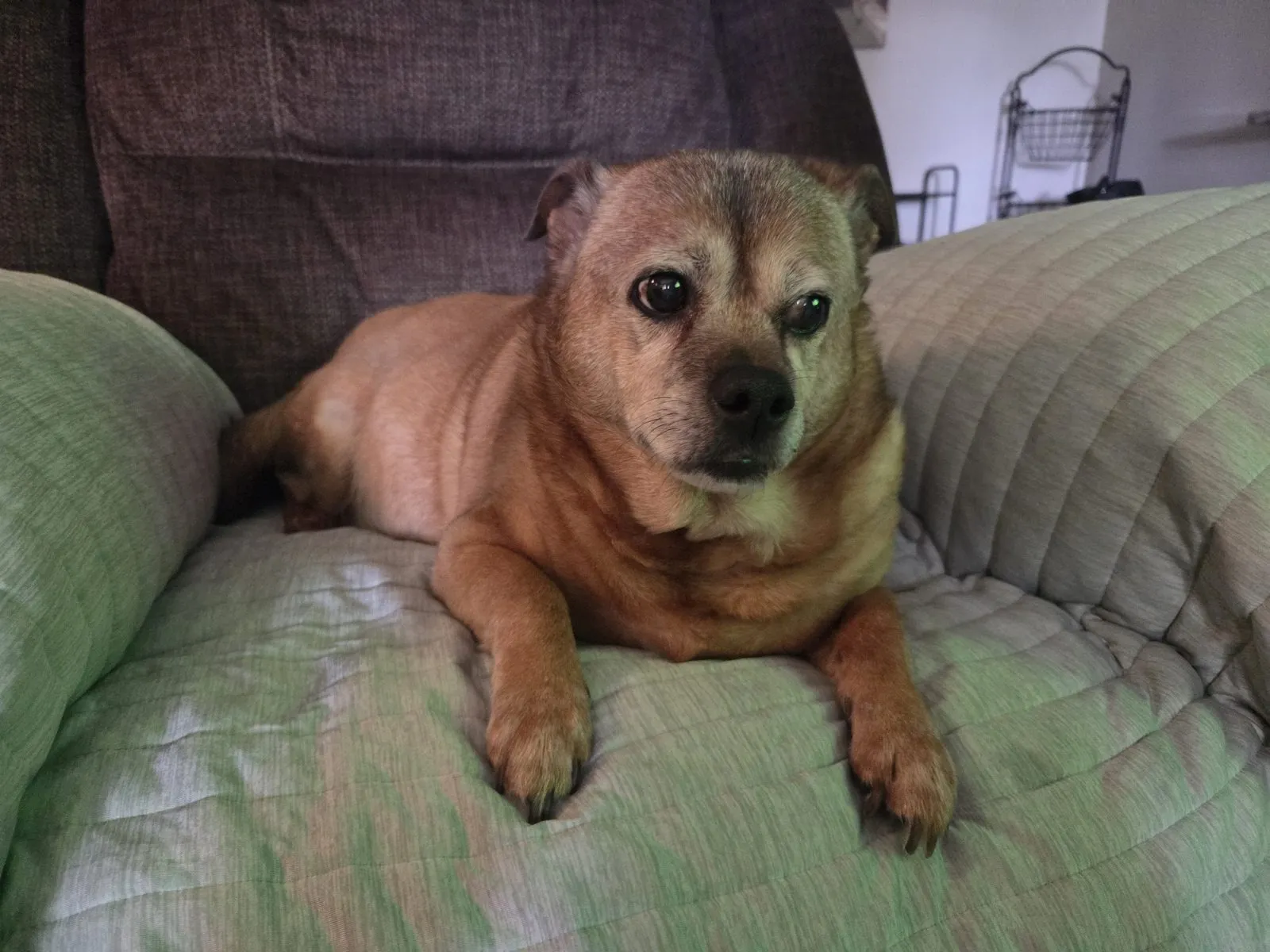
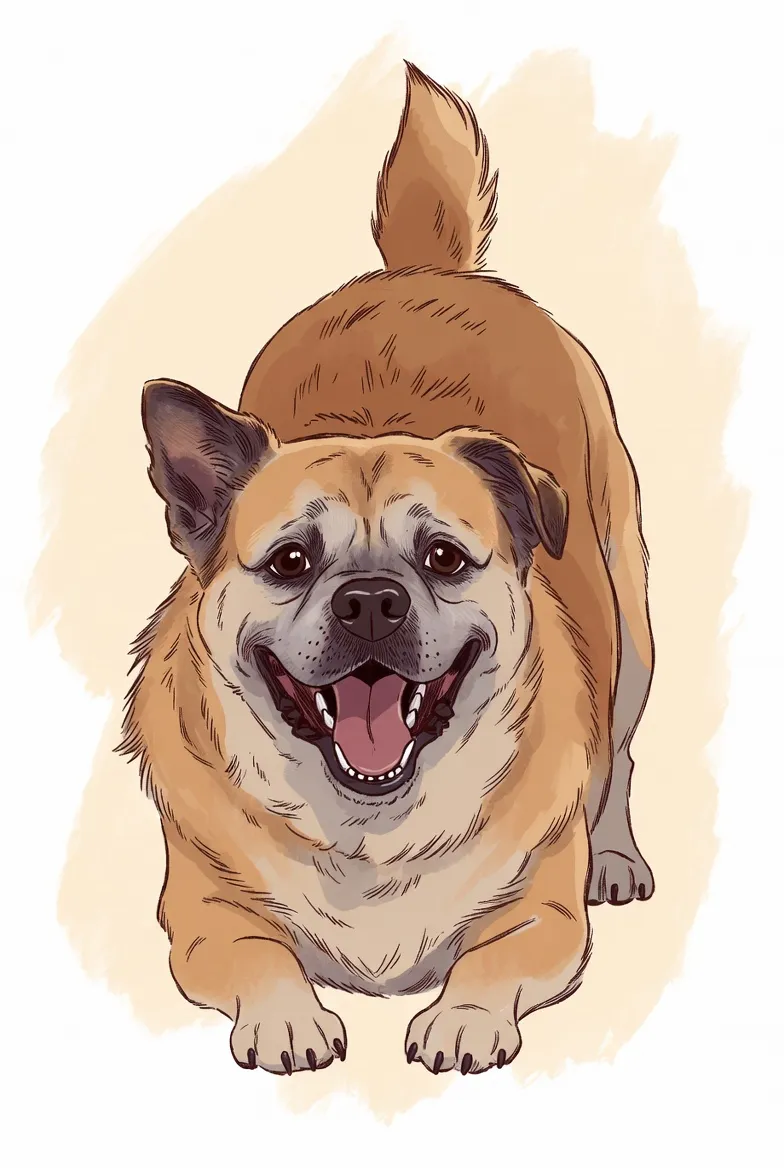
Somewhere along the way, without really deciding to, I rearranged parts of my house around an old dog. My thirteen-year-old, Chief — a 38-pound Mountain Cur and Pekingese mix — is slowing down, and the home that was fine for a younger dog has quietly needed a few adjustments. None of it was expensive or dramatic. Most of it was just paying attention to where he was struggling and making that one thing easier.
This is the real version of that: what I’ve actually changed, what I haven’t needed to (yet), and the practical stuff worth knowing if your dog has reached a spot mine hasn’t. I’ll be clear throughout about which is which — lived experience versus things I’m passing along from research — because a home-setup guide is only useful if you can tell my house from a generic checklist.
What I actually do for Chief
An elevated food and water stand. I’ve used one for years — Chief’s bowls sit about 8 inches off the floor, a modest lift so he isn’t bending all the way down to eat and drink. For a dog with a stiffening neck and joints, that little bit of height makes mealtime more comfortable.
One important caveat on this one, though — it’s the single piece of advice on this page I’d put a flag on. Raised bowls aren’t right for every dog. Research links elevated feeders to a higher risk of bloat (GDV, a serious twisting of the stomach) in large, deep-chested breeds — think Great Danes, German Shepherds, Weimaraners. The leading theory is that the raised position can make a dog eat faster and swallow more air. For a smaller, average-built senior like Chief, a modest stand is a reasonable comfort choice — but if you have a big, deep-chested dog, please ask your vet before raising the bowls. This is exactly the kind of “good for my dog, potentially risky for yours” thing worth a professional’s read.
Easier access to the places he loves. The bigger adjustments for Chief have been about getting up — onto the recliner, into the car. That turned into its own rabbit-hole, so I wrote it up separately: what I’ve learned about ramps and stairs (including the padded step that backfired with Chief), and about choosing a supportive bed for rest.
If you’re not sure whether your dog’s slowing down is something to adjust around or something to ask a vet about, I also wrote about the everyday signs of a dog getting older — and where the line is.
What I haven’t needed yet — but here’s what helps
I want to be straight that Chief hasn’t hit every senior issue, so the rest of this is research, not my own experience. If your dog has reached these, here’s what tends to help.
Traction on slippery floors. Hardwood and tile turn scary for a dog with weak back legs or poor footing — they splay, slip, and lose confidence. (Chief is still sure-footed, so I haven’t needed this.) If your dog struggles, the cheap, effective fix is rugs or runners laid along the paths they use most — bed to door, around their food, wherever they travel. Toe-grip socks or paw traction products exist too, though many dogs tolerate floor runners better.
Help after dark. Older dogs lean harder on memory and routine, and some develop fading vision or mild nighttime confusion. (Chief is still fine in the dark.) Two simple things help if yours isn’t: keep furniture and their key spots in consistent places so the mental map stays reliable, and add low nightlights along their usual route. If nighttime disorientation is new or getting worse, it’s worth a vet mention — it can be early cognitive change, and that’s easier to support when caught early.
A warm, draft-free resting spot. Stiff joints feel worse when cold. A bed away from drafts, and a little extra warmth in winter, can make a real difference to an achy older dog’s comfort.
Easier, more frequent potty access. Aging dogs often need to go out more often, and accidents can creep in. More frequent trips outside, and an easy path to the door (no slick floors or obstacles in the way), reduce both the accidents and the stress around them. If accidents start suddenly or increase a lot, that’s worth a vet conversation rather than just a routine change — it can have a treatable cause.
A note on doing this gently
You don’t need to overhaul your house in a weekend. The way it actually happens — the way it happened for me — is one small fix at a time, as you notice your dog struggling with one more thing. Start with where they sleep, where they eat, and the spots they’re visibly straining to reach. That covers most of it.
And the recurring theme of everything I write here applies to home setup too: making your dog more comfortable is something you can do at home, but figuring out why something changed — a new slip, new accidents, new confusion — is a job for your vet. The two go together. A comfortable home and a vet who knows your dog are the best things you can give an old friend who’s slowing down.
Common questions
For some, yes — a modest lift can ease the strain of bending down for a dog with a stiff neck or sore joints. But this is the one home tweak to clear with your vet first. Research links raised bowls to a higher risk of bloat (GDV) in large, deep-chested breeds, so the straight answer is "helpful for many smaller and average-sized seniors, but ask your vet before raising bowls for a big deep-chested dog."
Traction on slippery floors and a warm, easy-to-reach bed are usually the highest-value, lowest-cost changes. A few rugs or runners along your dog's regular path can make a slick hardwood or tile floor far less scary for an unsteady senior — often for very little money.
Keeping furniture and your dog's key spots (bed, water, the door out) in consistent places helps a lot, since an older dog leans more on memory and routine. Low nightlights along their path can help a dog with fading vision or mild confusion navigate after dark. If the disorientation is new or worsening, mention it to your vet — it can be an early sign of cognitive change that's easier to help when caught early.
Start with the spots your dog uses every day — where they sleep, where they eat, and the places they're struggling to reach (the couch, the bed, the car). Make those comfortable and accessible first. The rest can come as you notice new needs.
Adam
Writer and senior-dog owner
I'm not an expert — I'm an owner. Everything here comes from real life with my senior dog and careful research, written plainly and honestly.
Keep reading
 Guide
Guide Support harnesses and lifting slings for senior dogs: helping them up without hurting either of you
When an older dog struggles to stand, climb stairs, or get into the car, a support harness or sling can give you a safe way to help. Here's what the different types do, how to choose, and the vet check that should come first.
 Guide
Guide Best dog ramps and stairs for senior dogs: help them get around again
A straight guide to choosing a ramp or steps for an aging dog — what actually matters, and what I'm weighing for my own 13-year-old, Chief.
 Guide
Guide Signs your senior dog is slowing down — and when it's worth a call to the vet
One owner's straight look at the everyday signs of a dog getting older — what I'm watching in my own 13-year-old, what's usually normal aging, and the changes that are worth a vet's eyes.